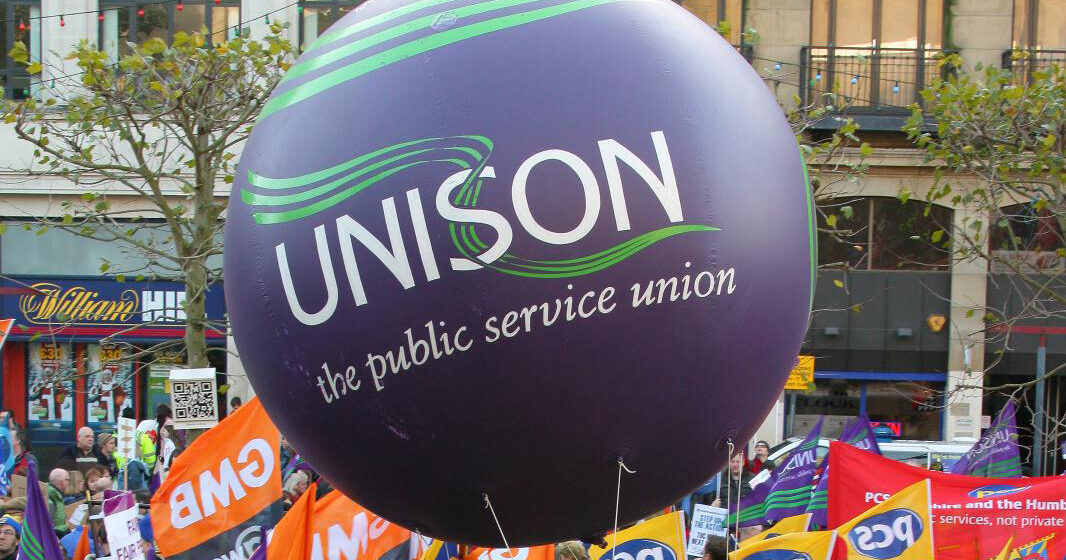
Britain’s biggest union, Unison, held its annual conference in June, the first with Andrea Egan as general secretary. However, the National Executive (NEC), which elects the president and controls conference, retains a slim right wing majority. This parallelogram of forces led to a fiercely fought contest in Brighton.
There was a 50-strong walkout when Angela Rayner was invited to speak. Rayner was the architect of the deeply disappointing Employment Rights Act, and last year was expelled from Unite for her disgraceful criminalisation of pickets during the long-running Birmingham bin strike. Her backing for the reversal of trans rights, and for Shabana Mahmood’s anti-migrant legislation, was too much for many delegates to bear.
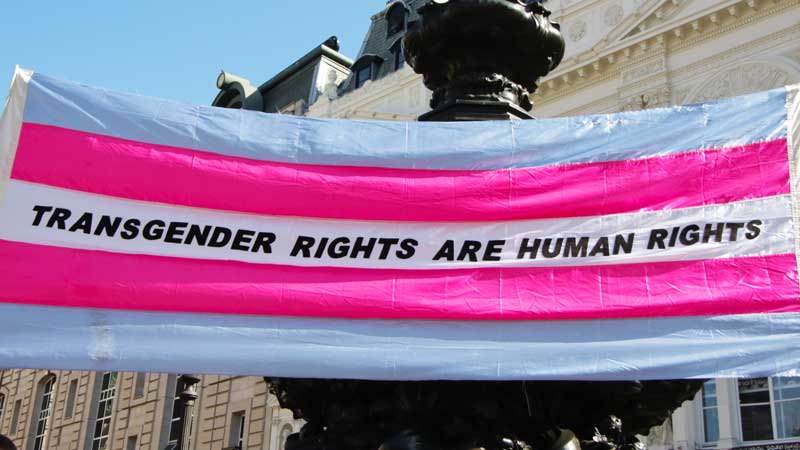
Then delegates from Lambeth Unison were expelled from conference for the ‘offence’ of distributing, outside conference, a motion that the Standing Orders Committee had ruled out on the habitual excuse of ‘legal jeopardy’. The motion called for defiance of the ruling that transgender people had to use facilities corresponding to their ‘biological’ sex, condemning thousands to the humiliation of being outed by managers and reactionaries acting as gender police.
Gains
Union membership was up for the fourth year in a row, although the rate of growth was slowing. There have also been some material successes, especially in the health sector. Dorset NHS workers voted by 94% for strike action against subcontractors undercutting pay rates and imposing atrocious conditions.
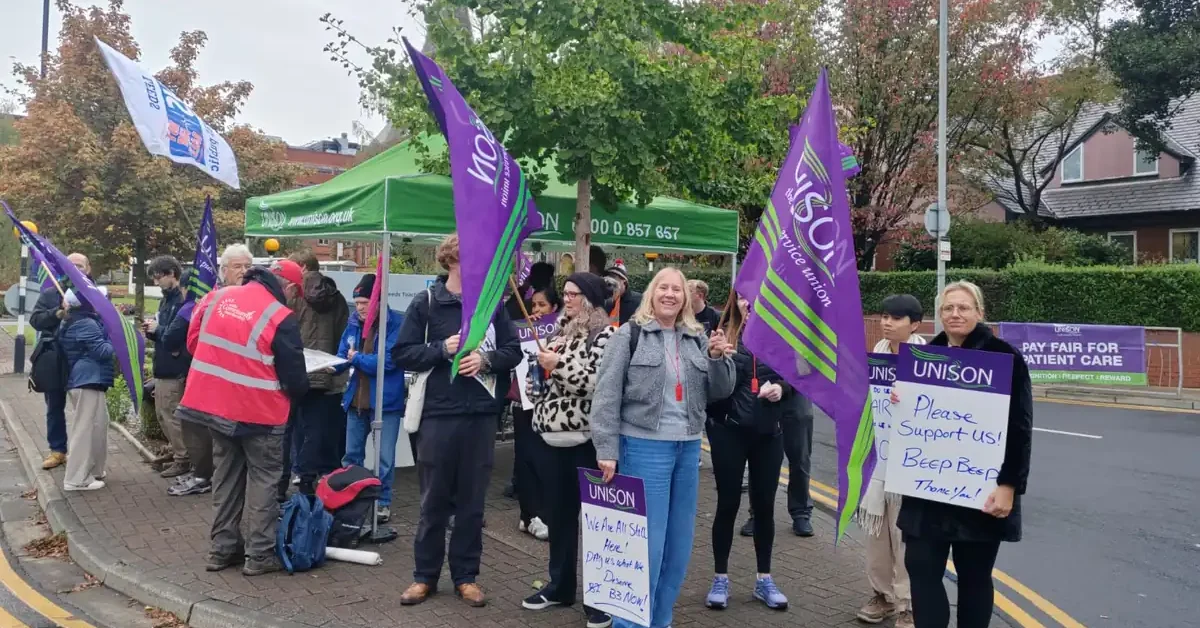
On the back of this, the Labour government conceded and ruled out the use of these cowboy outfits unless they had ‘union approval’. More generally, Unison boasted that it had won over £300 million in back pay in its Pay Fair for Patient Care campaign since January 2025.
The left put both the recruitment and the NHS gains down to its Organising to Win model. But while the number of strike ballots has increased dramatically, it’s still not impressive: 274 ballots over the past year, but over 200 of these in higher education alone, meaning the giant health, schools and local council sectors have barely seen an increase in action.
OTW is modelled on Jane McAlevey’s left bureaucratic procedures; it is slow, deliberately targets small units rather than whole workforces, demands ‘super-majorities’ and leaves control of disputes in full-time officers’ hands.
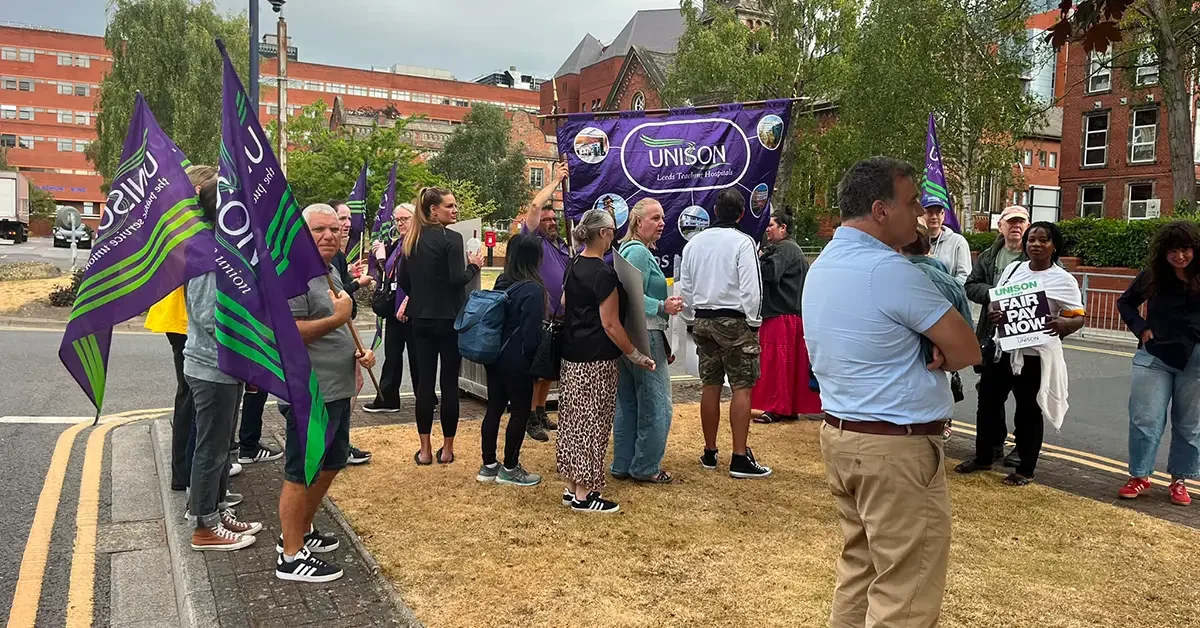
The big test will come with the national pay ballot. Unison is demanding 10% or £3,000, whichever is the greater, while the employers have offered a mere 3.3% flat increase—in real terms a pay freeze. The new ERA promises to remove the unfair 50% turnout threshold and to allow electronic voting, but neither has been implemented yet, not to mention the raft of anti-union laws still on the statute book. The ballot opens on 9 July and it will take a massive effort by activists to deliver a Yes vote.
Get The Spark in your inbox
Workers Power’s weekly newsletter
Labour Party
One subject not on the agenda was the union’s relationship to Labour. Andrea Egan, a party member herself, told a fringe meeting that she had ‘stood up for migrants and trans rights’ when she met Keir Starmer. But the decision on the union’s affiliation to Labour is in the hands of the 13.7% of members who are in the Labour Link (itself a notoriously undemocratic organisation).
This means that, unlike Unite, which will debate the issue at its rules conference in 2027, Unison’s support for Labour is likely to continue. But Egan must be forced to demand that Andy Burnham—or whoever else is elected—reverse the attacks on migrants and trans people, stop funding and arming Israel, and introduce new, stronger employment rights legislation, on pain of withholding funding from the party and withdrawing sponsorship of MPs.
In tandem with this, activists must demand that the union’s broad left organisation, Time for Real Change, really changes. Egan’s election manifesto was cobbled together by a few SWP members and Labour lefts because TFRC does not have a meaningful membership structure and has never held a conference of its own. It is solely oriented to winning elections, not organising in the workplace.
However, there is an appetite—and a clear need—for a change of direction. When London TFRC held an in-person meeting to discuss how to win strikes, run ballots and escalate disputes, comrades found it sharp and practical. We need more meetings like it, and a democratic structure to place TFRC at the service of its rank and file members.
Only by taking these steps to organise a rank and file movement at the base of the union can electoral successes become a platform for transforming Unison into a fighting, democratic union.