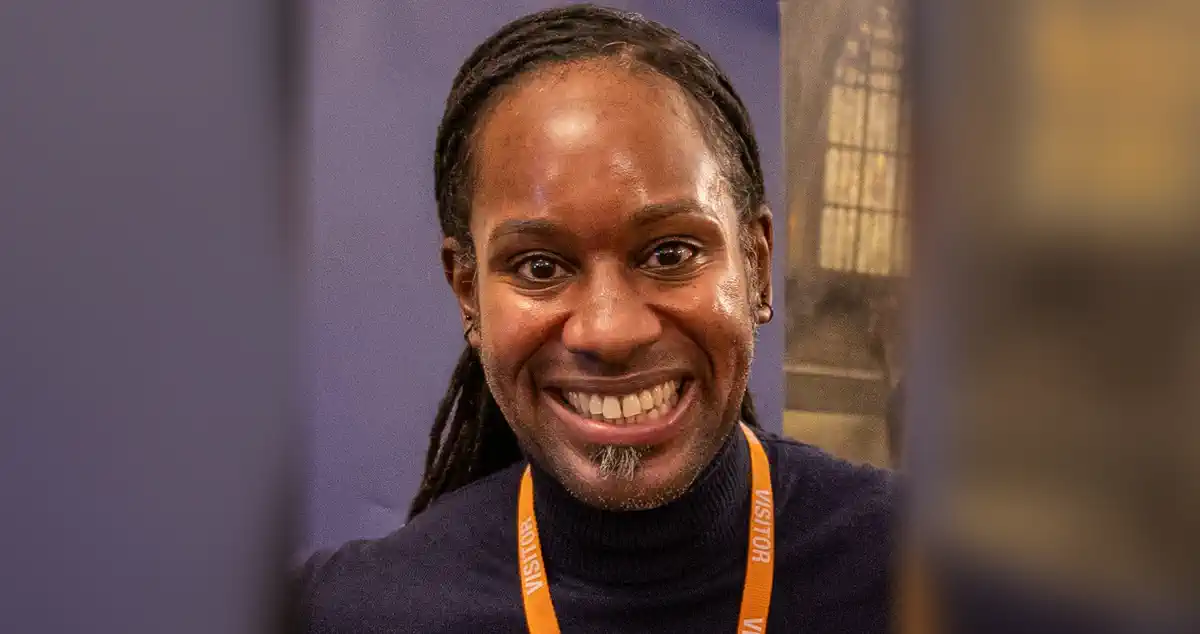
Professor Jason Arday is dead at 41. His family say that he was subjected to sustained abuse and misinformation after becoming Cambridge University’s youngest Black professor. He died days after resigning, following weeks of relentless headlines and years of racist harassment.
Questions about academic conduct should be decided by evidence, established procedures and the right to reply. What happened to Arday was something else: a political campaign to make one Black man answer for Black advancement itself.
The latest attack was initiated by Nathan Cofnas, a self-described ‘race realist’ who claimed that genuine ‘meritocracy’ would produce ‘close to zero’ Black professors at Harvard. His accusations were seized on by the rightwing press and then pursued by supposedly liberal outlets, which subjected Arday’s work, career, childhood, charity activity and entire life story to a grotesque public inquisition.
This method is imported from the US MAGA movement. Professional culture warriors such as Christopher Rufo identify a prominent Black figure, search their record for an offence, inflate it into proof that racial equality is a fraud, and destroy the target as a warning to others.
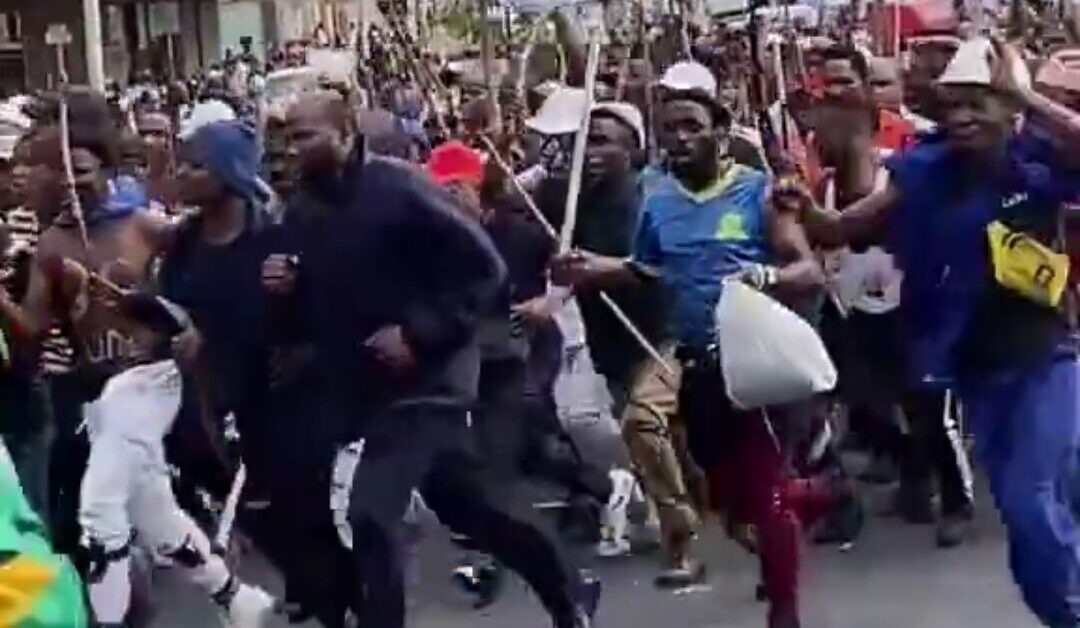
The same message is delivered on Britain’s streets by Tommy Robinson’s Unite the Kingdom mobilisation and far-right forces promoting Operation Raise the Colours. Black people and other racialised minorities may advance only on sufferance. Any mistake can become a collective indictment; anyone visible can be selected for punishment.
Britain had only 270 Black professors in 2024–25—barely 1 per cent of the total. But this campaign was not only intended to discipline a small professional layer. Its warning runs through every workplace, school and community: keep your head down, know your place, or ask yourself, ‘Am I next?’
The failings of white academics—where they are addressed at all—are treated as individual cases. Arday’s life was made into the tip of the spear of an offensive against every effort to overcome institutional racism.
Some politicians stood up when it mattered. Labour MPs John McDonnell, Bell Ribeiro-Addy, Clive Lewis, Nadia Whittome and Apsana Begum, together with Green leaders Zack Polanski and Mothin Ali, signed the solidarity statement; Polanski rightly opposed Arday’s ‘trial by media’. After Arday’s death, Ribeiro-Addy denounced the media witch-hunt.
The same machinery has pursued Diane Abbott, Britain’s first Black woman MP, through decades of racist and misogynistic abuse. Starmer’s Labour leadership compounded it by suspending her twice and subjecting her to calculated public humiliation. The lesson is identical: Black people’s right to occupy public life is treated as permanently conditional.
Arday said that the relentless accusations and commentary had taken a profound toll on him and those he loved. Whatever the precise circumstances of his death, the human consequences of this organised campaign of degradation cannot be washed away by the evasions of those who drove it.
We demand a public inquiry into the media campaign and the institutional decisions surrounding it. Universities and trade unions must organise collective defence against racist trials by media. The labour and anti-racist movements must mobilise while people are under attack—not only mourn them afterwards.
The respectable racism of the editorial office and the street racism of the resurgent far right feed one another. Both must be confronted by a united, militant anti-racist movement.