The summer of 2026 will be long remembered as the season when the unfolding ecological catastrophe first truly made itself felt to the people of Britain and Western Europe. While the politicians jetted off on their holidays and the capitalists retreated to their air-conditioned estates with on-site swimming pools, the working class sweated, choked and watched the world burn.
The scientists are scrambling to update their models. The meteorologists are running out of superlatives. While our so-called ‘leaders’ maintain their stubborn silence about the scale of the challenge faced by humanity and their policies continue to drive us towards the cliff edge, the message is clear for those of us on the ground: this is what climate breakdown looks like, and it is only the beginning.
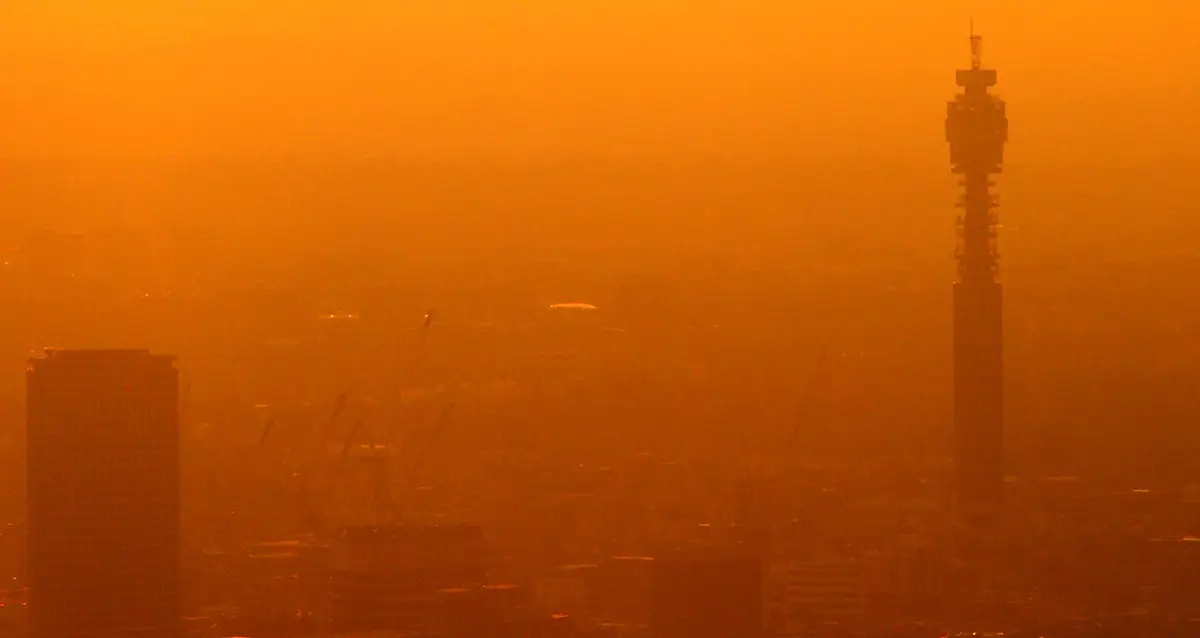
The numbers are staggering. The heatwaves came wave after wave, relentless and lasting for days on end; the 18–28 June one was the longest on record. An unprecedented total of five heatwaves hit Britain this year, all of them widespread, reaching even northern Scotland. We have seen temperatures that would have been unthinkable a generation ago, with 40 separate days recording over 30°C somewhere in Britain.
Hospitals were overwhelmed with cases of heatstroke and respiratory failure. The elderly died in their homes, forgotten by a state that has stripped social care to the bone. The ‘excess death’ toll in June alone reached 2,174, though the government will bury the figures in the autumn. They do not want a body count. They want us to go back to work and pretend the ‘new normal’ is acceptable.
But there is no going back. The drought has cracked the earth, leaving reservoirs at record lows. Some parts of Britain recorded 62 days without rain: another unenviable record. Although the impacts of climate catastrophe have been predicted for years, the British state has done very little to prepare society.
Get The Spark in your inbox
Workers Power’s weekly newsletter
As a result of water privatisation, there have not even been any new reservoirs built in the UK since 1992. Chronic underinvestment in infrastructure has led to repeated scandals over river and ocean pollution caused by industrial production, and wasted water due to leaking pipes. According to government statistics, 71% of England was in drought for most of August.
While a third of our water supply is estimated to be used by businesses rather than household consumers, only 1% of companies are responsible for nearly half of that consumption. No wonder many are angry that they have been placed under restrictive hosepipe bans while rapid consumption continues for the sake of profit, and water company executives continue to pocket £1 million-plus pay packets as a reward for their criminal mismanagement.
Wildfires, once a distant news story from California or Australia, have arrived on our doorsteps. Two wildfires in Stourbridge, West Midlands, reduced 19 homes to ash, causing families to flee with nothing but the clothes on their backs.
This was not a forest fire in a remote wilderness; this was a working-class community in the heart of England, ravaged by flames fed by tinder-dry conditions. The firefighters, already demoralised by years of cuts and pay freezes, fought valiantly, but they were fighting against a force that no amount of heroism can defeat.
Mainland Europe has fared even worse. From the Greek islands to the French countryside and down to southern Spain, the continent was set ablaze. The Mediterranean became a furnace, and the summer of 2026 has shown that the climate crisis does not respect borders. And as the recent devastating floods in Nepal and Tibet, the result of avalanches caused by the sudden melting of glaciers, have demonstrated, the impacts of global heating are becoming increasingly widespread and unpredictable.
This is a global crisis which cannot be solved within the narrow confines of individual nation-states; it demands a coordinated global response. Instead, the response of our ‘leaders’ has been nationalism, division and the barbarism of Fortress Europe.
‘Super El Niño’
The media has been abuzz with talk of a ‘super El Niño’. While the term is not a formal scientific classification, the underlying reality is undeniable. Sea-surface temperatures in the Pacific are running at over 2 degrees above the long-term average, with forecasts suggesting they could exceed 3 degrees. The Met Office has warned that this could be the strongest El Niño event in living memory, and that 2027 is likely to be even hotter than 2026.
This year’s heatwaves were driven by the background warming caused by human activity, including the burning of fossil fuels, the destruction of ecosystems and the relentless pursuit of profit. But the El Niño event will amplify the chaos, acting as a multiplier. It will disrupt weather patterns across the globe, raising temperatures and bringing floods to some regions and drought to others. But as the super El Niño increases global heating, global heating will react back on the El Niño, strengthening it.
The UN’s Food and Agriculture Organisation has issued a stark warning: this El Niño could threaten tens of millions of people with crisis-level acute food insecurity. This is a death sentence for the poor of the Global South, and a harbinger of what is coming for us all.
Empty breadbasket
Nowhere is the crisis more acute than in our food system. The heat and drought have devastated agriculture. Harvests have failed. Yields have collapsed. Farmers are staring at fields of withered crops, their livelihoods destroyed.
The impact of extreme weather on food production systems has been exacerbated by US imperialism’s war of aggression against Iran, which has caused shortages of fuel and fertilisers, driving up prices. The supermarkets are beginning to ration produce. The bosses’ Food and Drink Federation predicts food inflation will rise to 6.4% by next summer. The era of cheap, abundant food is over.
It is clear who will pay the price. Small farmers are being driven to the wall, squeezed by the supermarkets, which demand ever-lower prices, and by the banks, which demand their mortgage payments, while big agribusiness conglomerates consolidate their power. Small farmers are becoming an endangered species, and with them goes the knowledge and resilience of local food production.
And what of the farm workers? They are the invisible army of the food system, many of them migrants from climes already suffering climate catastrophe, toiling in the fields for poverty wages in appalling conditions. They are the ones who harvest our food, and they are the ones who suffer first when the harvests fail. They are denied the basic rights of decent housing, fair pay and job security. The climate crisis is a class issue, and farm workers are on the front line.
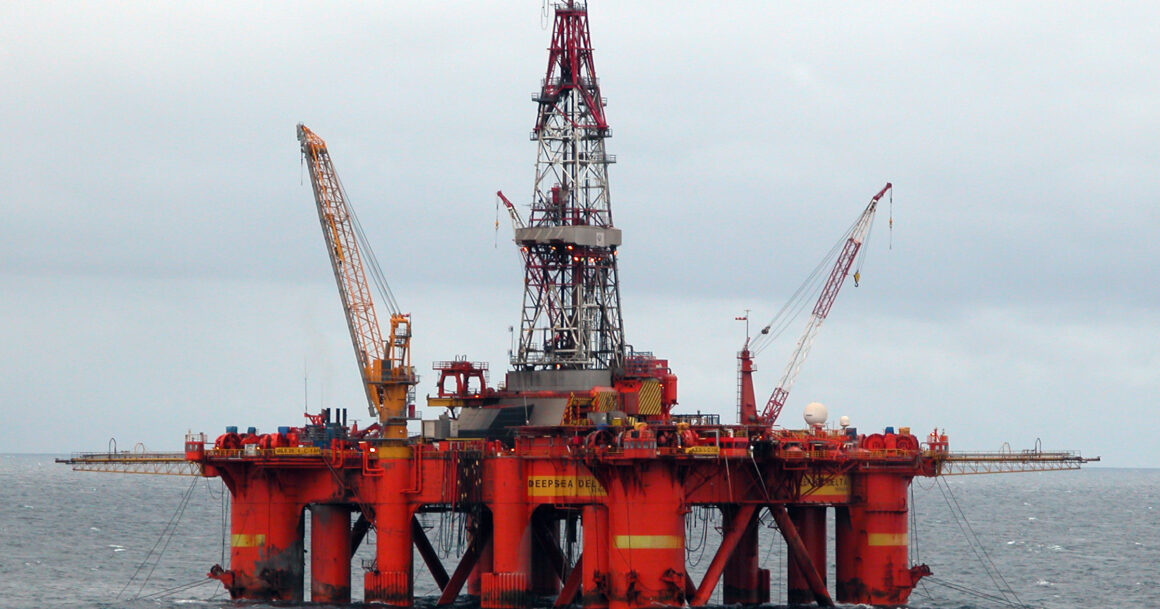
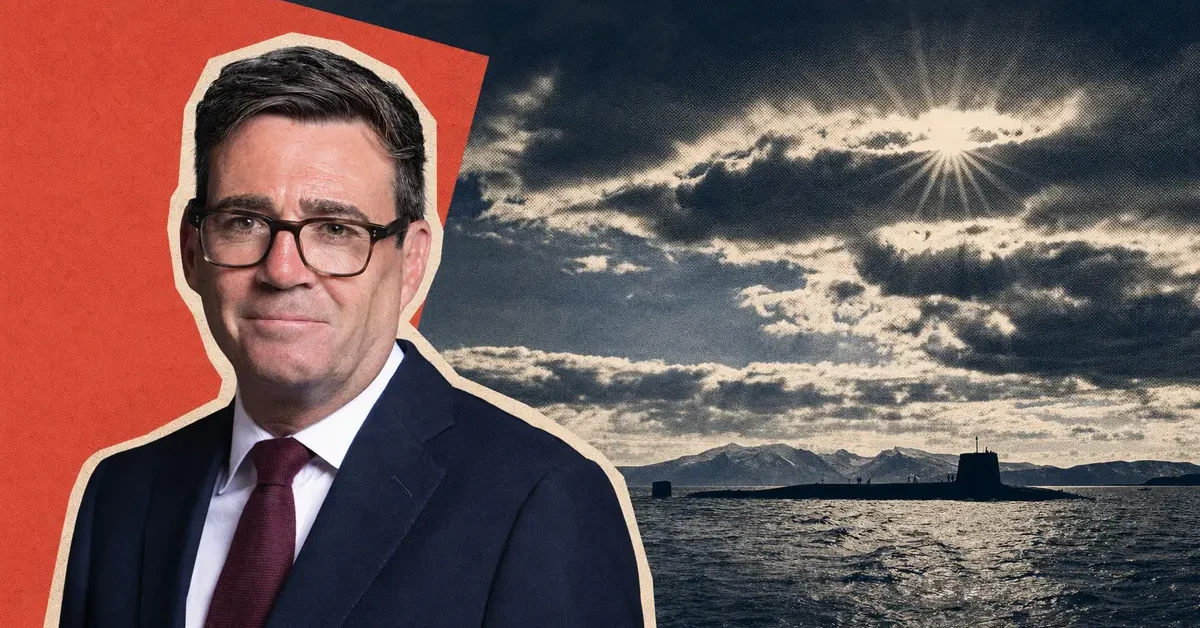
The government’s response has been to double down on the very system that is causing the crisis. Despite the obvious scale of the emerging disaster and Labour’s manifesto promises, Burnham is expected to back the new Jackdaw and Rosebank gas and oil licences, which will accelerate the ecological catastrophe while increasing the already exorbitant profits of the fossil fuel industry.
The government is also licensing at least 100 data centres, which consume vast amounts of energy and water, at a rapid pace. They are acting as though the resources of the planet are infinite, while remaining deaf to the concerns of local residents, environmental scientists and the public at large.
A recent study has shown that the two data centres which have so far received planning approval under a fast-track system intended for ‘infrastructure vital to national security’ will generate greater carbon dioxide emissions than the entirety of Exxon’s UK operations.
Socialist solution
We cannot rely on the market to solve the climate crisis. The market is the cause of the crisis. The drive for profit, the endless accumulation of capital, is fundamentally incompatible with a liveable planet. Production is determined by the profit motive rather than by a democratic plan based on the needs of humanity and ensuring the survival of civilisation.
Additionally, competition between nation-states over resources and markets is preventing the transition from fossil fuels, as energy capacity is a strategic resource regardless of the pollution it generates.
We cannot rely on politicians who put the interests of the fossil fuel industry first. Last year, when mayor of Manchester, Andy Burnham said there can be ‘no turning away from net zero’ and there should be a ‘just transition’ from fossil fuel consumption, protecting workers’ jobs and pay. In 2025 he endorsed the Fossil Fuel Non-Proliferation Treaty.
But over the summer, he barely uttered the words ‘climate change’ despite the ample opportunity afforded by the heat and drought. Asked about Rosebank and Jackdaw in a New Statesman interview, he said: ‘I’ve got something of an open mind, you know. I don’t have a sort of fixed position.’
We have to tell Burnham that chugging along with Labour’s existing, woefully inadequate, capitalist-driven Green New Deal, absorbing some inevitable cuts in Chancellor John Healey’s autumn Budget, will not do. Burnham says he will attend the COP31 summit in Turkey this year. We have to mobilise the unions and environmental movement to make the following demands on him:
- Nationalise the big six energy companies, the North Sea oil fields and the gas infrastructure, without compensation to the exploiters and profiteers. They must all be placed under the democratic control of workers and consumers. We need a planned transition to renewable energy, massive investment in wind, solar, tidal and geothermal power, and a just transition for workers in the fossil fuel industry, with guaranteed jobs, wages and retraining.
- Reconfigure food production. We need to nationalise the land and take over the agribusiness and fertiliser monopolies. We need to support small farmers and farm workers, with guaranteed fair prices, secure land tenure, and decent pay and conditions. We need to build a food system based on sustainable farming and climate mitigation measures, like new reservoirs, cleaned-up rivers and fireguards to contain wildfires.
- Build a global movement against climate breakdown. The climate crisis is global and requires a global response. We must build solidarity with the workers and peasants of the Global South, who are suffering the worst impacts of a crisis they did not create, and demand reparations for the damage caused by climate change. We fight for a global planned economy to replace the polluting anarchy of the market.
The summer of 2026 is a warning. It is a glimpse of the future that awaits us if we do not act. But it is also a call to arms. The working class has the power to shut down polluting factories and power plants. Direct action has its place, but only if it targets the real enemy, big business, and leads to public ownership and workers’ control of energy and food production.