
In the last fortnight, the Labour government has suffered two humiliating legal defeats. On 18 February, the remaining 18 defendants of the ‘Filton 24’ were formally acquitted of aggravated burglary. This follows the earlier acquittal of the ‘Filton 6’ on the same charge, and the High Court’s ruling that the government’s proscription of Palestine Action was unlawful and disproportionate.
In August 2024, activists from Palestine Action occupied an Elbit Systems factory in Filton, Bristol. Using angle grinders and sledgehammers, they dismantled drones destined for the Israeli military. They did not injure anybody. Body-worn footage shown to the jury later revealed that it was the security guards who assaulted the activists.
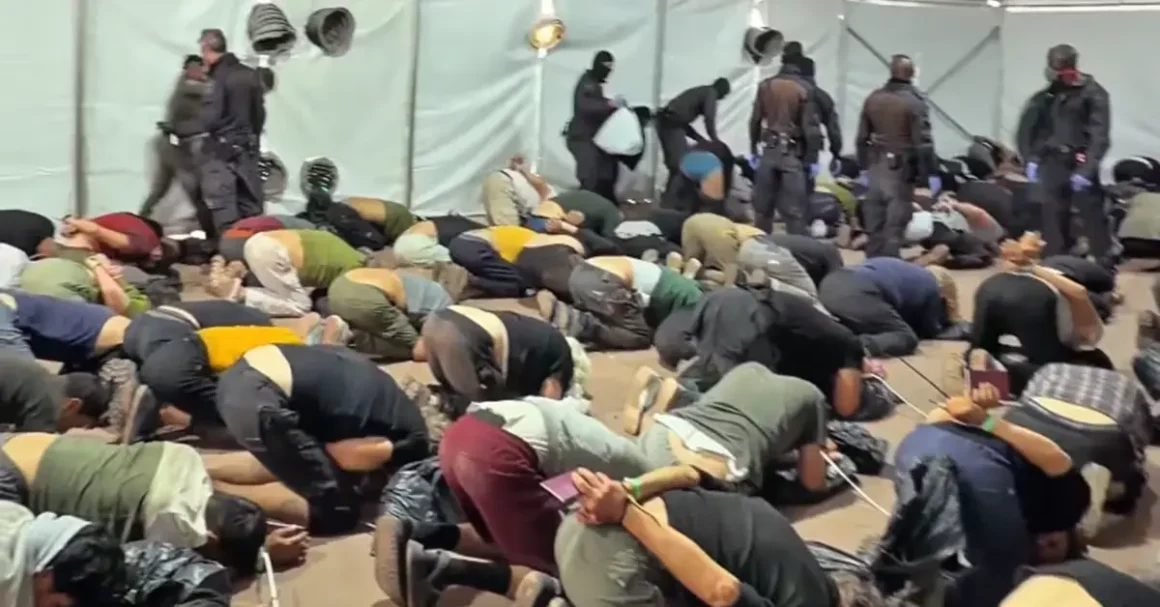
For this act of symbolic property destruction, the 24 were subjected to a vindictive campaign by the state. Arrested and held on remand for up to 17 months—far exceeding the usual six-month limit—they were labelled ‘terrorists’ and kept under harsh conditions, including denial of reading material, despite facing no terrorism charge. This led to the most significant hunger strike in Britain since the 1980s.
Nearly a year after the action, former Home Secretary Yvette Cooper did something without precedent in British legal history: she proscribed Palestine Action, a direct action group, as a ‘terrorist’ organisation. The logic was circular—the state needed to prove the group was violent to justify the ban, and pointed to the Filton action, which it was simultaneously prosecuting, as evidence.
Palestine Action’s only recourse was judicial review—a civil procedure in which the High Court examines whether a public body acted lawfully. On 13 February the court ruled that the ban was disproportionate. The judges—not selected for their sympathy with Palestinians, and in fact widely accused of being hand-picked by the government—nevertheless found that while the group commits criminal damage, the ‘nature and scale’ of its activities had ‘not yet reached the level, scale and persistence to warrant proscription’. The government had tried to stretch the definition of terrorism to cover direct action, and was slapped down.
Home Secretary Shabana Mahmood immediately announced she would appeal. The ban remains in place pending the outcome, and the government is clinging to its proscription policy while trying to avoid a second defeat.
The jury: last line of defence
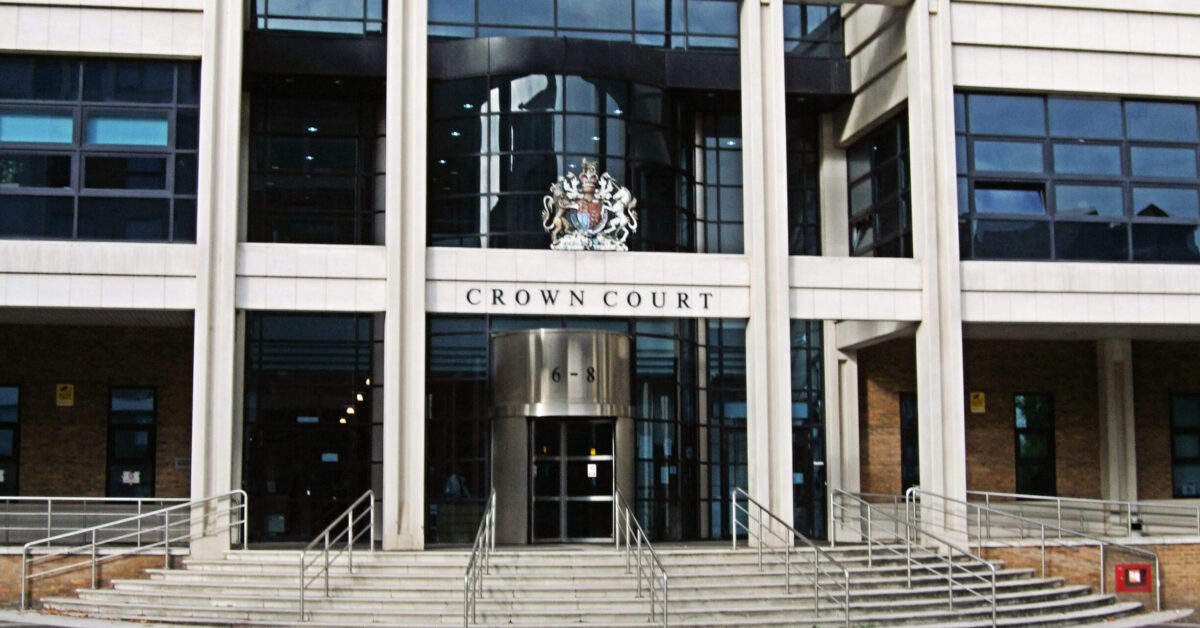
Despite this setback, the government pressed ahead with the criminal prosecution. The charge of aggravated burglary—which carries a potential life sentence—required the Crown to prove that activists entered the factory intending to use their tools to harm people. The prosecution, aided by a judge who edited and withheld evidence, tried to characterise activist Samuel Corner’s tussle with a police officer as deliberate violence.
The jury saw through it. After ten weeks of evidence and eight days of deliberation, they acquitted all six of aggravated burglary. Three were cleared of violent disorder. The jury refused to convict any of them of criminal damage, even though five had admitted in court to smashing the drones. Despite the judge’s direction, they exercised the right established in Bushel’s Case (1670)—that juries cannot be punished for returning verdicts against judicial direction—and refused to convict. They declined to apply the judge’s instruction to disregard the defence of lawful excuse, and decided that stopping the supply of weapons to a military engaged in mass killing outweighed property rights. This is another argument against David Lammy’s proposed curtailment of jury trials.
These verdicts are a significant victory for the Palestine solidarity movement. A jury of ordinary people refused to convict those who destroyed weapons components. The High Court ruled that solidarity with Palestine does not constitute terrorism.
The legal battle continues, however. The CPS has signalled it will seek a retrial on outstanding charges—violent disorder and GBH—where the jury could not reach a verdict. The government is appealing the proscription ruling, and if it succeeds, Palestine Action will again be designated a terrorist organisation.
The fact that the judicial review took this long illustrates how legal process can be used to delay and punish opponents of state policy rather than adjudicate it fairly. The proscription may yet be lifted, but the right to protest remains under threat.
In a rational system, those fighting a state-sponsored genocide would be treated as heroes, not criminals, and their persecutors in the dock. Juries have acquitted PA activists several times in recent years, contrasting with the polls showing public opinion confused and divided on a ban thanks to media bias and state disinformation. When ordinary people hear the truth, they support us. We cannot rely on the courts to protect our democratic rights, and ultimately this is a victory for the sustained agitation and pressure of the solidarity movement. We will not give up until the justice denied the Palestinian people has been won.