The Gaza ceasefire has proven to be a diplomatic fiction. The reality is one of daily bombardments, a strangled humanitarian lifeline, and a military campaign expanding into the West Bank and Lebanon. This external aggression mirrors a profound internal crisis within Israel itself, where Prime Minister Benjamin Netanyahu’s is engulfed in a scandal over his attempt to evade justice, exposing the corrupt foundations of the Zionist project.
The cessation of hostilities, agreed in October, has been systematically violated by Israel on a near-daily basis. According to data tracked up to December, Israeli forces have breached the agreement at least 738 times, killing at least 383 Palestinians and injuring over 1,000 since the ‘ceasefire’ began. The pretexts are flimsy, often citing isolated incidents to justify massive retaliation, while the broader terms of the deal are ignored.
Central to the agreement was the unimpeded flow of humanitarian aid. Yet, Israel continues to choke Gaza’s supply lines. Only 38% of the allocated aid trucks have reached their destinations, with essential, nutritious food like meat and vegetables blocked in favour of non-nutritious snacks.
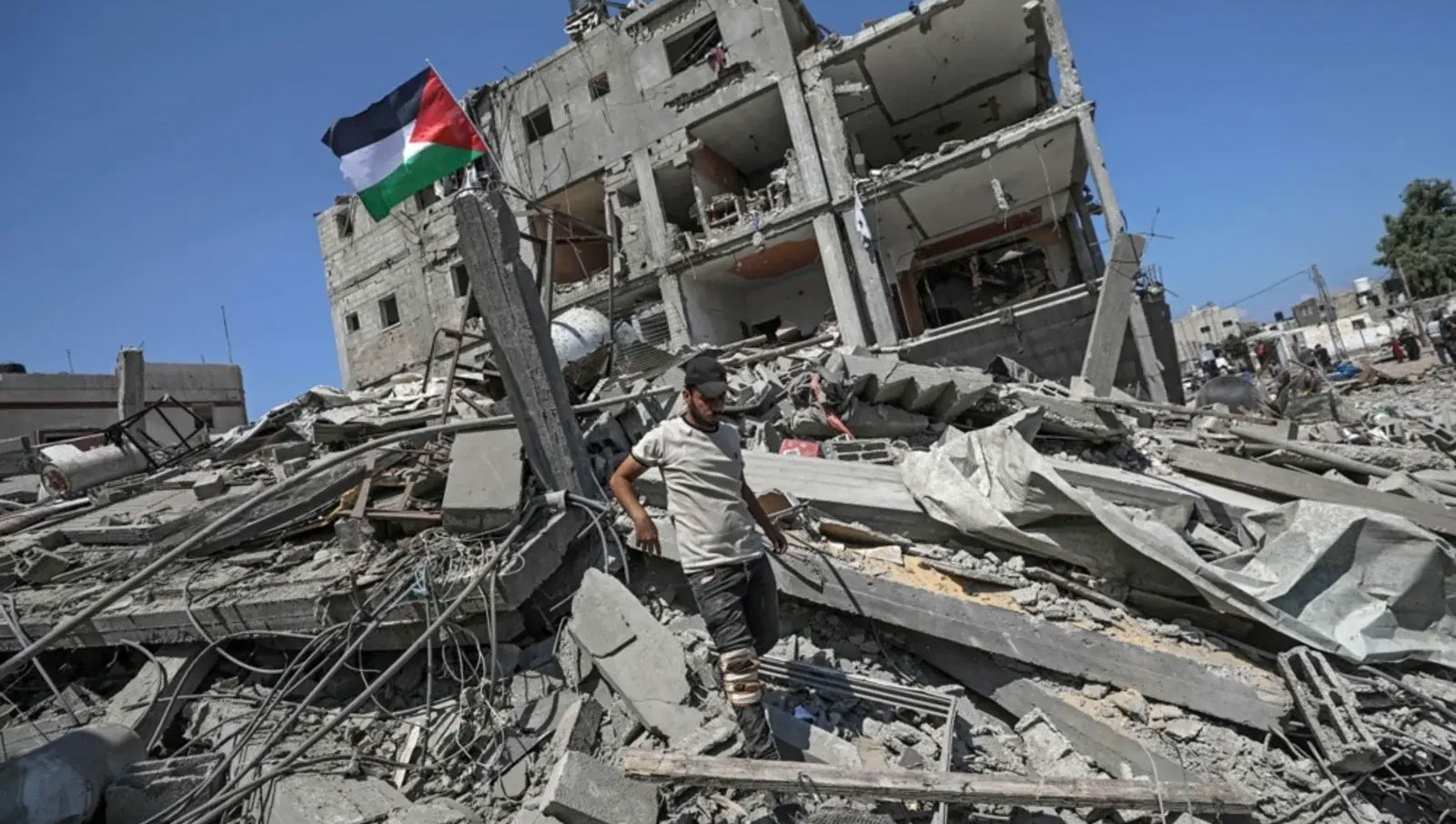
The UN reports that two-thirds of children under five are surviving on two or fewer food groups, pushing the entire generation to the brink of acute malnutrition. Meanwhile, over 80% of Gaza’s buildings are damaged or destroyed, with debris clearance estimated to take seven years.
Yellow Line and West Bank
Israel’s strategy involves maintaining maximum pressure on all fronts. In Gaza, forces remain deployed along the so-called ‘Yellow Line’, with shifts in their positions triggering fresh waves of displacement as terrified civilians flee renewed bombardment. This tactic ensures a state of permanent insecurity and homelessness.
Simultaneously, Israel has dramatically escalated its operations in the occupied West Bank. Under the cover of the Gaza war, it has launched a brutal campaign of raids, curfews and settler terror. In the first days of December alone, large-scale military operations affected over 95,000 Palestinians in the northern West Bank. In Tubas a four-day raid involving drones, aircraft and bulldozers injured 163 people, destroyed water networks cutting off 17,000 from water, and left widespread destruction. This is collective punishment, designed to dismantle communities.
Settler violence, acting as the armed vanguard of the state, has terrorised the olive harvest season, attacking farmers and destroying ancient groves with impunity. The message is clear: there will be no future for Palestinians on the land.
Israel’s aggressive posture extends beyond Palestine. In Lebanon, a US-brokered ceasefire from 2024 has been shredded. Israel continues near-daily airstrikes, with one UN report warning these may constitute war crimes. Israel launched a new wave of air strikes in early December, just days after civilian-led ceasefire negotiations were announced, undermining the talks from the start.
Internal rot
This external belligerence is fuelled by a deep internal decay. Netanyahu, facing a corruption trial for bribery and fraud, has taken the unprecedented step of requesting a presidential pardon before any conviction. His argument that the trial divides the nation is a transparent attempt to place himself above the law. The request comes weeks after Donald Trump publicly pressured Israeli President Isaac Herzog to grant it, exposing the subservience of the Israeli state to its imperialist overlord.
The scandal has plunged Israel into a constitutional crisis. A close associate of Herzog has reportedly threatened to leak ‘embarrassing information’ about Herzog’s relationship with Netanyahu if the pardon is granted, suggesting corruption at the highest level. Opposition leaders and civil society have erupted in outrage.
Yair Lapid, leader of Yesh Atid, stated that a pardon is impossible ‘without an admission of guilt, an expression of remorse, and an immediate withdrawal from political life’. This drama lays bare the facade of Israel’s ‘rule of law,’ revealing a system where political survival trumps all.
The events of this period demonstrate a regime in terminal crisis. Its domestic foundations are crumbling, while its international strategy relies on perpetual violence to maintain control. The ‘ceasefire’ is a fallacy for global consumption; the reality is an unceasing, multi-front war against the Palestinian people and their neighbours.
This strategy is unsustainable. The horrific human cost—tallied in thousands of deaths, millions displaced and a generation traumatised—is generating global revulsion and fuelling resistance. Israel’s leaders, chasing political salvation through pardons and military escalation, are not securing their state’s future. They are accelerating its deepening isolation and guaranteeing that the struggle for justice in Palestine will intensify until liberation is won.