By Joe Crathorne
THE LAST 12 months have seen an explosion of student activism.
Students in Manchester and Bristol launched rent strikes, followed by students at 55 other universities. School students took on rape culture and male violence in the Everyone’s Invited movement. Others defeated racist management at Pimlico Academy, London.
Despite this, campaigns have come up against some stumbling blocks. There is no national organisation of students independent of the stifling influence of the NUS bureaucracy. Added to this, lockdown has rendered traditional campaigning methods obsolete, at least for two-and-a-half terms.
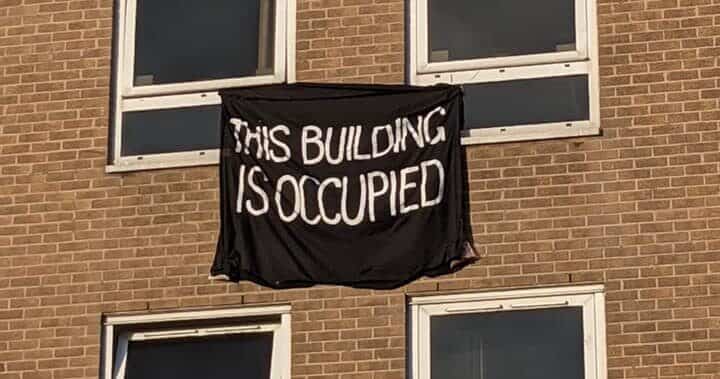
That so many students have mounted campaigns in such difficult circumstances is remarkable. Students who stuck it out in rent or fee strikes, refused to leave their occupations, or built solidarity between students and staff know that to build a movement capable of taking on not only management, but this Tory government, we must overcome these stumbling blocks.
Covid on campus
Student rent strikes first hit the headlines last November, when students at the University of Manchester tore down fences around their accommodation, which had been erected by management to confine students to their halls. There followed a three-week rent strike and a campaign of direct action that built widespread support among students. Management caved, refunding a portion of rent.
After confused and ever-changing guidance from government, universities welcomed students onto campus, collected rent and fees, and then confined them to their accommodation. Online teaching was patchy at best and many first-years, living away from home for the first time, were trapped in unnecessary rental contracts.
Students’ response to this mismanagement was unprecedented. After news of Manchester spread, student rent strikes popped up at universities across the country. At its height, there were rent strikes at more than a third of UK universities, making it the largest tenant action since 1973.
With all this action, all this energetic organising and mass participation, why have so few campaigns been successful in their demands? What lessons must we learn if we are going to build a student movement capable of consistently defeating management, a movement that furthers the demand for a free and properly funded education system under student and staff control?
Revolting students
The student movement has been at a low ebb since the 2010–11 revolt against tuition fees, which saw the Tory HQ in London occupied and hundreds of thousands of students mobilised in a series of mass demonstrations and university occupations. But that was more than a decade ago and subsequent years have seen the implosion of organisations of that period, most significantly the National Campaign Against Fees and Cuts (Ncafc).
Since then we have seen a return to electoral politics among students during Corbyn’s leadership of Labour, alongside mass youth participation in Extinction Rebellion and Black Lives Matter, as well as climate strikes in schools and colleges. With the failure of the Corbyn project, many have turned away from Labour, back campus organising.
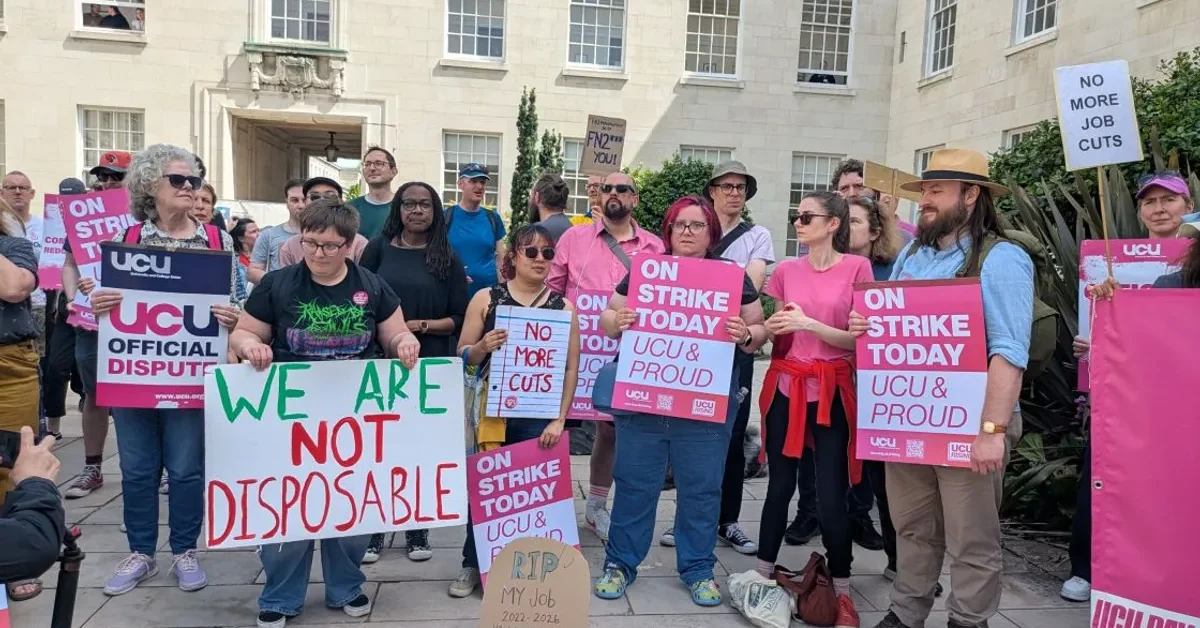
All this has taken place against a broader context of marketisation, casualisation and outsourcing in universities. UCU lecturers at 74 universities went on strike in February and March 2020 over these issues, and recent insourcing campaigns at Birkbeck, Soas and elsewhere have been victorious. There are signs of strike action in many UCU branches, and a new generation of first-years is about to enrol. Solidarity organisation between students and staff is necessary to build a united campaign against the government and university managements.
Where now?
With these lessons in mind, students should:
- Organise rank-and-file NUS members. Independent of the NUS bureaucracy, we need a nationwide organisation that links immediate struggles with political demands for a free and properly funded education under student and staff control. Attempts to build such an organisation, like Liberate the University, must have our full participation and support.
- Build solidarity between students and staff. A national UCU strike is likely, and student UCU members must lead the way in building solidarity between students and staff. Students’ Unions must form solidarity committees, which include teaching staff and lay members of the SU, in preparation.
- Drive cops off campus. Police and security continue to repress and harass students. The NUS must demand that police be banned from campuses and halls, and SUs must establish police monitoring and self-defence where police attempts to break up protests and occupations.
- Internationalise the student movement. International students have already begun tuition fee strikes, and this is something we should support and spread. Transnational links between student activists are essential for spreading political action and ideas. Calls for solidarity from students internationally should be given our full support.
- Include school students in our movement. The climate strikes have demonstrated the power and determination of school students. The NUS must allow school students to become members, create a Secondary Education Section on the NEC that includes at least two representatives, and work proactively to engage young militants in the struggle for free education, whether at university, college, or school.