
By a PCS member
After just one year in power, the Coalition for Change (CfC) lost its majority on the National Executive Committee (NEC) of the Public and Commercial Services Union (PCS). The turnout for the May NEC elections was an all-time low of just 6.4% and returned a Left Unity majority, with the CfC reduced from nineteen seats to just seven.
At the union’s conference later that month, the Independent Left and Broad Left Network (the two factions standing on the CfC ticket) won delegates’ support for a motion that instructed the incoming leadership to ballot for industrial action over pay by mid-September.
The first post-conference NEC meeting, held on 29 May in response to the announcement of the government’s pay remit guidance, ignored this conference instruction. The pay remit is for just 3.25% when inflation stands at 3.4%, so in real terms the government is imposing a pay cut.
The Left Unity NEC majority decided to reject 3.25% but immediately move to department-level talks about the implementation of the award, rather than follow through on a civil service-wide campaign to increase the pay award. An alternative plan set out by the CfC was rejected by the NEC majority, despite proposing to carry out the conference decision to campaign and ballot for higher pay.
Déjà vu
We are therefore back where we were in 2023, with a Left Unity leadership unwilling to lead a serious struggle for higher pay. It was in these circumstances, following the sell-out of our cost-of-living pay campaign, that Left Unity lost control of the NEC for the first time in its history.
The left of the union – those who campaigned against the 2023 sell-out and want a fight in ‘25 – are faced now with two big challenges: how to force the Left Unity leadership to ballot for action over 2025 pay, and how to prevent these recurring sell-outs.
Neither of these questions can be answered by simply replacing the Left Unity majority with a CfC majority in the NEC elections. Besides, for this year’s pay it would be too late.
For the bigger question of union leadership, we cannot keep doing the same thing and expect different results – CfC won a majority of the NEC in 2024 and quickly found that winning elections is not the same as winning power.
Despite having a majority of three on the NEC, the CfC was bureaucratically blocked by the Left Unity-affiliated president Martin Cavanagh and general secretary Fran Heathcote. Cavanagh interpreted the union’s standing orders to mean that he as president could rule anything – for example any motions tabled for the NEC – as out of order and could only be overruled by a two-thirds majority.
Without this two-thirds majority on the NEC, the CfC was prevented from making any decisions that the president and general secretary disagreed with. This stalemate persisted for the entire year, leaving union members leaderless in the face of renewed threats against jobs, terms and conditions.
CfC attempted to overcome this by asking branches to submit calls for a Special Delegate Conference (SDC) that could clarify the union’s standing orders to allow an NEC majority to make decisions. This required branches representing at least a quarter of the union’s membership to write to the NEC. However, all such correspondence is directed to the president, and Cavanagh refused at the December NEC to report the number of branches that had written in or to circulate the motions received to the NEC. Without a two-thirds majority, the NEC was unable to overrule him.
During this period, the other weapons of a bureaucracy were used in full force. Cavanagh and Heathcote wrote to members of branches who had passed motions calling for an SDC, attacking their elected branch reps.
Heathcote also used union-wide comms to misrepresent the division on the NEC. A number of Group Executive Committees voted to write to branches to ask them to submit motions for an SDC but were blocked by an unelected union official.
This obstruction, alongside the questionable promise from Left Unity to repay members’ strike levy, was enough to lose CfC the NEC election and depress turnout.
Rank & file
The lesson taken from this pantomime cannot be to simply try again next time. Relying on existing rules and structures leaves too much power in the hands of the established, unelected bureaucracy, who will use undemocratic means to retain control. CfC didn’t have a big or strong enough base in the union to back up the membership’s decision to put them in charge.
A rank and file organisation in PCS, the beginnings of which we saw at the end of the cost-of-living strikes in the form of the PCS Says No campaign, would be a base of authority from which to challenge bureaucratic manoeuvrings.
It would also be able to hold its own leaders to account though measures such as: the election and instant recallability of all officials; the placing of them on an average worker’s wage; and the sovereignty of national delegate conference. Most importantly, however, an independent rank and file movement must organise to take effective industrial action and win.
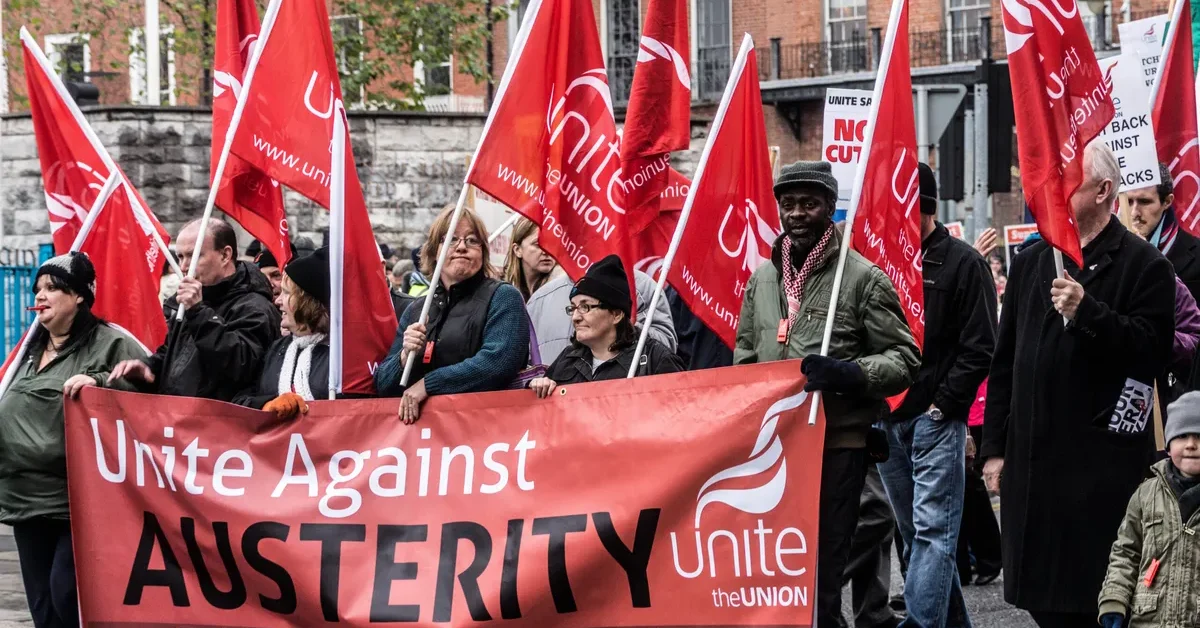
The next NEC elections and Annual Delegate Conference are not for another year. In the meantime, civil servants face a real terms pay cut, many thousands of job losses and worsening conditions under Labour’s new programme of austerity.
Now is the time for the left in the union to build a rank and file organisation capable of forcing action from the current leadership, and build towards the democratic transformation of PCS into a member-led union.