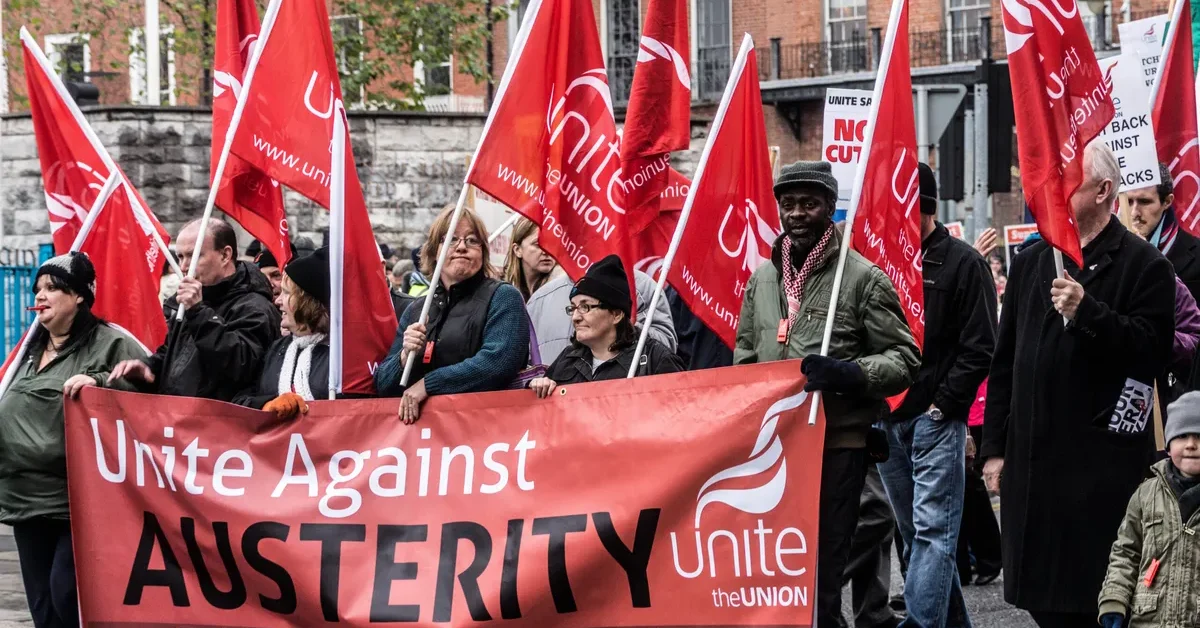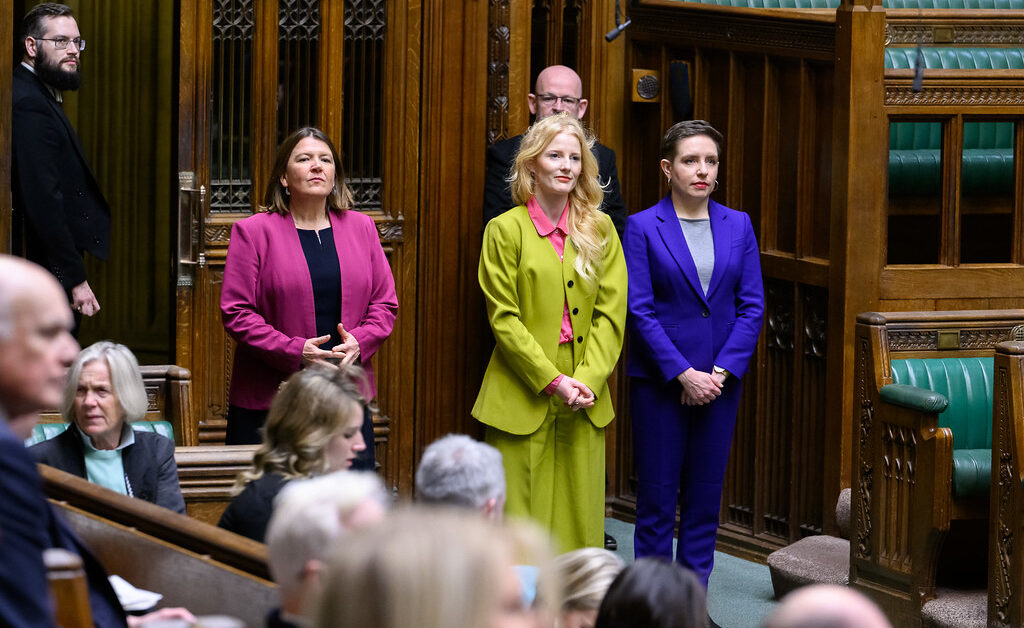

Nominations for the General Secretary position in Unison are open. There is a unified left candidate, Andrea Egan, and we urge all branches to support her at their next branch or branch committee meeting. It’s time for change.
The incumbent Christina McAnea is barely known, even in trade union activist circles, despite being in charge of Britain’s largest union with 1.3 million members. In fact she would barely budge the needle of name recognition among Unison members.
During the strike wave of 2022-23, Unison was notable only for its absence on picket lines. Instead it has excelled in attacking its most active members.
Most recently, elected NEC members Steve North and Julia Mwaluke, both from Salford branch, were suspended from the union and expelled from the leadership body respectively. Neither have done anything wrong.
This bureaucratic interference with democratic procedures is nothing new—Paul Holmes, the previous left GS candidate, was also expelled after a lengthy suspension. In reality unelected officials rule Unison with an iron fist, as is the case in virtually every union in Britain.
Time for real change
Egan’s candidacy offers a number of significant changes. For a start she will not accept the £181,000 salary Christina takes, but live on a qualified social worker’s wage. She will also conduct a ‘comprehensive review of our union machinery’, which hopefully will result in the sacking of some of the worst right-wing factionalists.
Egan claims she will follow Unite the union’s lead and order a ‘comprehensive review of our relationship with the Labour Party’ and demand ‘proper funding for our councils, schools, NHS and all our public services’. She should go further and stop funding Labour until it blocks all arms destined for Israel.
Egan is the candidate of the Time For Real Change faction, which controlled the National Executive for four years until June this year. It implemented the Organising To Win model, replacing the service union approach of the previous 25 years.
This is based on the methods of the late Jane McAlevey and is flawed: bureaucratic, reliant on ‘super majorities’ and ultimate leaving control of disputes in the hands of unelected regional officers. For this reason it did not result in a marked uptick in industrial action.
TFRC ultimately is not the rank and file organisation it claims to be. To become one, it needs to build proper democratic branch and regional structures, embedded in the workplace. Unison militants should make these demands on TFRC while campaigning for a vote for Andrea and the full reinstatement of Steve and Julia.