By Alex Rutherford
The year 2025 has seen yet another ‘hottest summer on record’, with devastating wildfires ravaging continents from North America to Asia. In California, January wildfires killed 30 people, destroyed over 16,000 structures, and caused an estimated $40 billion in insured losses, making it one of the most costly disasters in history. The EU is having its worst wildfire season since records began, with one million hectares burned so far. These will become increasingly likely as the climate warms.
As fires rage, our oceans boil. The Atlantic Meridional Overturning Circulation (AMOC), a critical ocean current system that regulates the global climate, is on the brink of collapse. This will trigger catastrophic impacts, including abrupt shifts in weather patterns, rising sea levels, and the disruption of marine ecosystems.
Meanwhile, plastic pollution chokes our planet, with a landmark Lancet medical journal report revealing that plastics cause ‘disease and death from infancy to old age,’ costing the global economy $1.5 trillion annually. With plastic production set to triple by 2060 and less than 10% recycled, capitalism’s continuing dependence on the petrochemical industry guarantees inaction in the face of this developing threat.
Biodiversity collapse is accelerating at an unprecedented rate. A comprehensive synthesis of 2,000 studies confirms that human activities have caused a 73% decline in wildlife populations since 1970, pushing up to a million species toward extinction. This loss destabilises ecosystems, threatens food security, and exacerbates climate chaos, from coral bleaching events that devastate coastal economies to pollinator declines that jeopardise crop yields.
Profit over planet
Despite these escalating threats, climate action is dropping off the political agenda. Labour’s pledge to transform Britain into a ‘clean energy superpower’ by 2030 has been scaled back, ditching their manifesto commitment to £28 billion of annual investment in green energy. Despite promising that no new oil and gas licences would be approved, and a court ruling that previous approvals were unlawful, development of the Rosebank and Jackdaw oil fields continues apace.
This retreat reflects a global pattern: capitalist governments, beholden to corporate interests, are sacrificing even the inadequate environmental pledges previously made on the altar of economic rivalry and imperialist competition.
The failure of December 2024 UN talks to secure a global plastic treaty exemplifies this dynamic. Oil-producing nations like Russia and Saudi Arabia blocked production cuts to focus attention on management of plastic waste, prioritising profit over planetary health, proving that capitalist nations are incapable of taking coordinated action against environmental collapse.
War and conflict are major drivers of environmental decay. Modern armaments not only destroy landscapes but also consume vast energy resources and generate pollution during their production and use. Imperialist war diverts resources from climate mitigation, accelerating ecological breakdown. As nations prioritise military spending over green transitions, the environment becomes yet another casualty of imperialism.
Get The Spark in your inbox
Workers Power’s weekly newsletter
Workers’ struggle
Capitalism is inherently environmentally destructive. The profit motive forces enterprises to expand production relentlessly while ignoring the consequences of pollution and habitat destruction. The very foundation of capitalism is a paradox; to work, it requires infinite profit from finite resources.
The Lancet report rightly notes that ‘worsening pollution is not inevitable’ but wrongly pins hopes on ‘evidence-based laws and policies’. History shows that capitalist governments will never enforce regulations that threaten profitability.
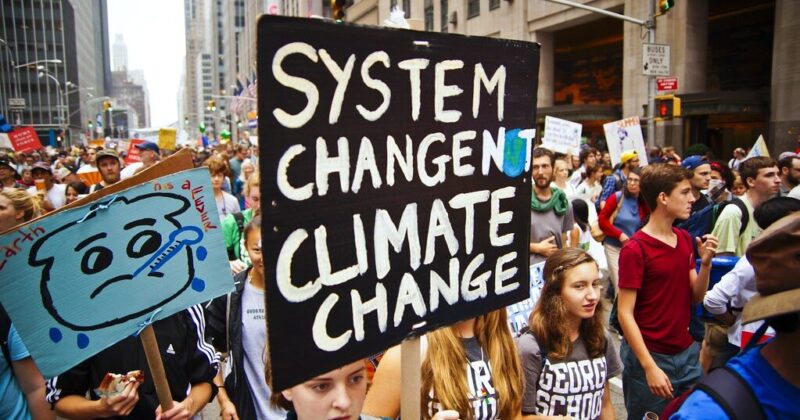
The environmental movement is at a crossroads. The dissolution of Just Stop Oil and the failure of mass climate strikes to achieve meaningful policy change reveal the limitations of protest politics that lack a class strategy. While grassroots resistance from indigenous struggles to youth climate strikers has raised awareness, it cannot overcome capitalism without mobilising the power of the working class.
Workers, who produce society’s wealth, hold the key to systemic change. Their strategic position in industries like energy, transport, and manufacturing enables them to disrupt production and force transformative demands. Workers and trade unionists in Britain can make a start by supporting the national day of action to Stop Rosebank on 6 September, and joining the Workers Planet summit in Brighton the next day.